Brake fluid is easy to forget because there is no oil-change sticker reminding you about it. It stays in the hydraulic system and transfers the force from the brake pedal to the brakes at the wheels. The question is not whether every vehicle in Tucson needs a flush at the same mileage. The question is whether your vehicle’s service information and the condition of its brake system support doing the work.
At Vibrance Automotive, we check before recommending a brake fluid service. We consider the manufacturer’s interval, the vehicle’s history, the appearance and condition of the fluid, and whether the system has been opened for a repair.
Schedule a brake inspection or call (520) 261-3533 if the pedal feels different, a brake warning light is on or you do not know when the fluid was last serviced.
When does brake fluid service make sense?
Some manufacturers give a time or mileage interval. Others call for inspection or testing. There is no honest universal answer that applies to every car and truck.
A service may be appropriate when the manufacturer calls for it, testing shows excessive moisture or contamination, the fluid is visibly compromised, or a hydraulic repair has introduced air or required the system to be opened. An older vehicle with no service history may also deserve a closer inspection.
Arizona’s dry climate does not make brake fluid immune to moisture, but we do not tell customers that Tucson automatically ruins it faster. Moisture can enter gradually through normal reservoir venting, seals, hoses and service openings. Heat matters for a different reason: brake fluid must remain stable when braking temperatures rise.
A soft pedal is not automatically a fluid problem
A flush is maintenance, not a cure for every brake complaint. A soft or sinking pedal can be caused by air in the system, a leak, a failing master cylinder, a damaged hose or an ABS hydraulic problem. Noise and vibration usually point us toward pads, rotors, calipers, tires or suspension components instead.
If the pedal suddenly sinks toward the floor or the vehicle is losing brake fluid, do not assume it only needs a flush. Limit driving and have the vehicle inspected. Loss of hydraulic pressure is a safety concern.
What happens during a brake fluid flush?
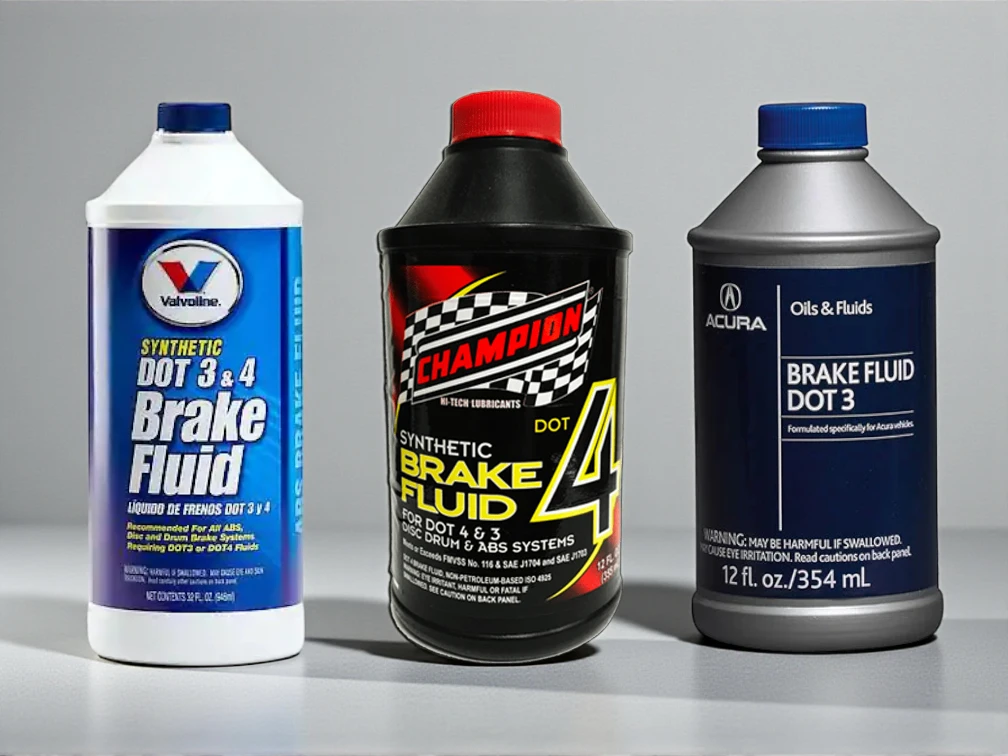
First, we confirm the fluid specification required by the vehicle. Brake fluids are not chosen by color or by whatever container happens to be open. The correct type matters.
Old fluid is removed and fresh fluid is moved through the hydraulic circuits. The goal is to replace degraded fluid without introducing air. Afterward, the reservoir level and pedal feel are checked, and accessible hydraulic components are inspected for signs of leakage or damage.
Some vehicles require a scan tool to cycle ABS valves or complete a bleeding procedure. That can be necessary after certain repairs or when air has entered the hydraulic control unit. It is not an automatic add-on for every routine fluid exchange. We follow the procedure the vehicle requires.
What fresh brake fluid can and cannot do
Brake fluid is designed to tolerate pressure and temperature. As moisture content rises, its boiling point falls. Under hard or repeated braking, overheated fluid can form vapor. Unlike liquid, vapor compresses, which can contribute to a soft pedal and reduced response.
Contaminated fluid can also work against the master cylinder, calipers, wheel cylinders, ABS valves and the small passages inside the system. Replacing worn fluid helps protect those components.
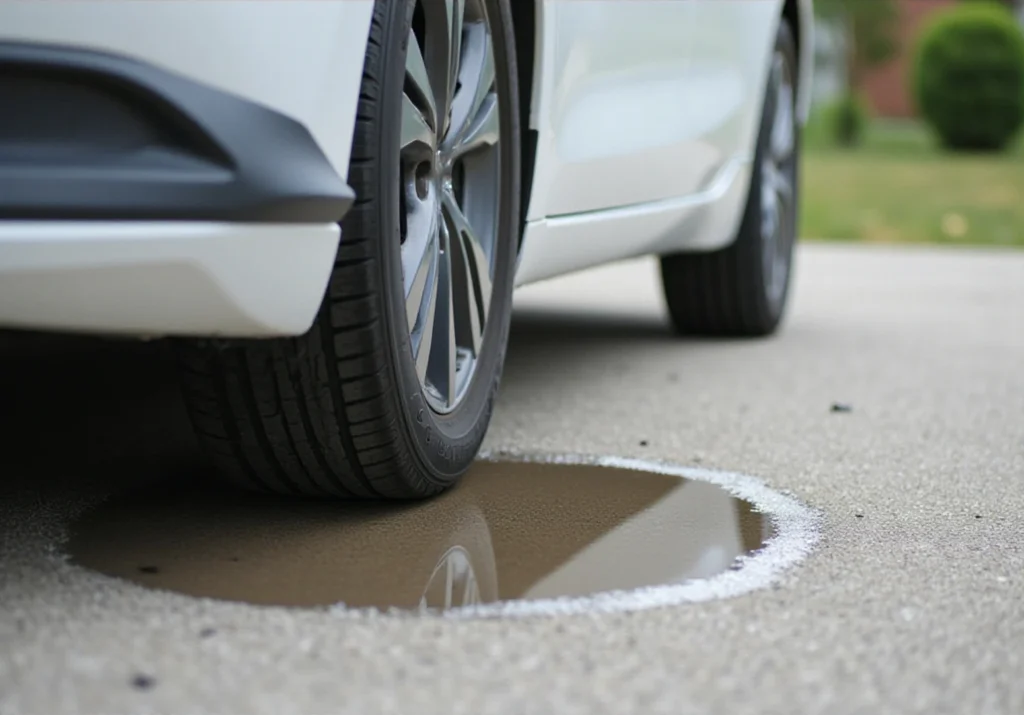
Fresh fluid cannot seal a leaking caliper, repair a cracked hose, restore a worn master-cylinder seal or replace worn pads and rotors. If we find another fault, we explain it before additional work is authorized. We do not use a fluid exchange to hide a mechanical problem.
What we look at before recommending service
- The manufacturer’s maintenance information for the vehicle
- Available service history
- Fluid condition and test results when applicable
- Reservoir level and evidence of contamination
- Visible leaks or damage in the hydraulic system
- Pedal feel and the symptoms reported by the driver
- Recent brake work that may have opened the system
When the evidence supports a brake fluid flush, we can perform it with the correct fluid and procedure. When the complaint points to something else, we will recommend the inspection or repair that addresses the actual problem.
See our complete brake repair service for help with noise, vibration, pulling, warning lights or worn components. You can also book an appointment online or contact Vibrance Automotive about your vehicle’s service history.