
A hybrid warning light does not automatically mean the battery has failed. The problem may be a cooling fan packed with dust, a weak 12-volt battery, a coolant pump, a sensor, an engine misfire, or a fault in the high-voltage system. The first job is to identify which system is actually causing the complaint.
Vibrance Automotive diagnoses and repairs hybrid vehicles in Tucson. If your hybrid has lost power, started running the gasoline engine more often, developed a warning light, or simply does not feel like it used to, we can inspect it and explain what the test results mean before you authorize repairs.
Schedule a hybrid diagnostic or contact us if you want to discuss the symptoms first.
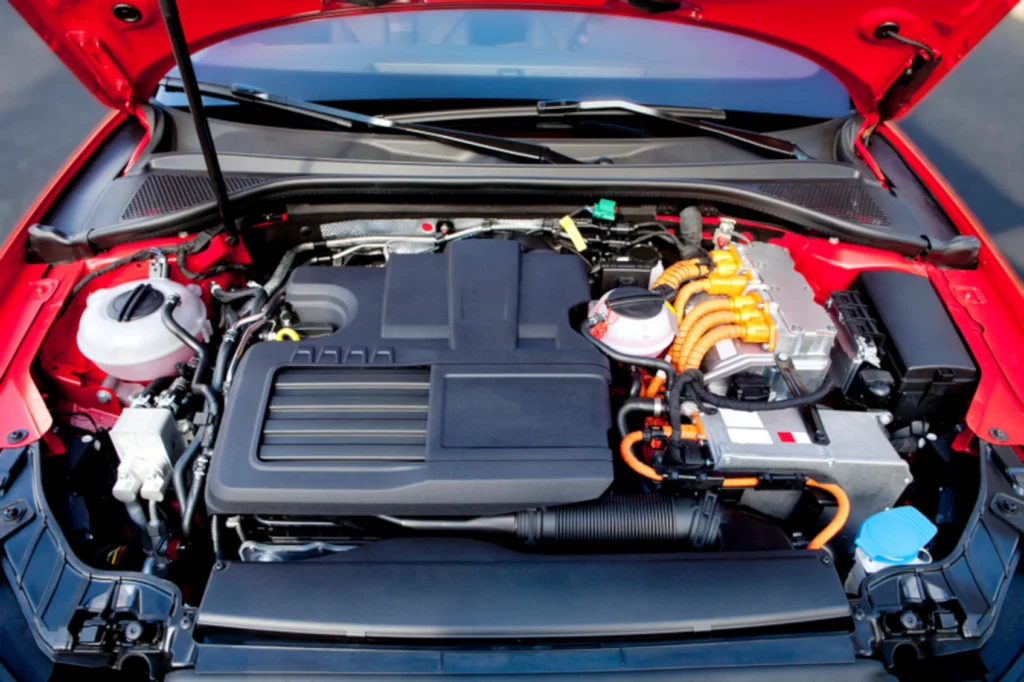
When Your Hybrid Needs Attention
Hybrid problems do not always arrive as a complete breakdown. Many begin with small changes in how the vehicle starts, charges, accelerates, or switches between electric and gasoline power.
- A hybrid-system, check-engine, battery, or temperature warning light
- Fuel economy dropping without an obvious change in driving
- The gasoline engine running more frequently than normal
- Weak acceleration, hesitation, shuddering, or reduced-power mode
- The battery gauge rising and falling unusually quickly
- A loud cooling fan near the rear seat or cargo area
- Overheating messages or coolant loss
- The vehicle failing to enter ready mode
Those symptoms can overlap. A weak engine, cooling problem, electrical connection, or 12-volt battery can sometimes look like a high-voltage battery problem from the driver’s seat. Replacing parts before testing the vehicle is an expensive way to guess.
What We Check During Hybrid Diagnosis
We begin with the customer’s description of the problem and a complete vehicle scan. Trouble codes are useful, but a code identifies the system that noticed a fault; it does not always identify the failed part. We compare the codes with operating data and inspect the related components before recommending a repair.
Depending on the vehicle and symptoms, testing may include:
- High-voltage battery data and state-of-charge behavior
- Battery cooling fan, intake vent, and duct condition
- Inverter coolant level, circulation, pumps, and temperature data
- 12-volt battery condition and charging voltage
- Wiring, connectors, grounds, fuses, and visible corrosion
- Gasoline-engine misfire, fuel-trim, and cooling-system data
- A road test to reproduce the complaint when the vehicle can be driven safely
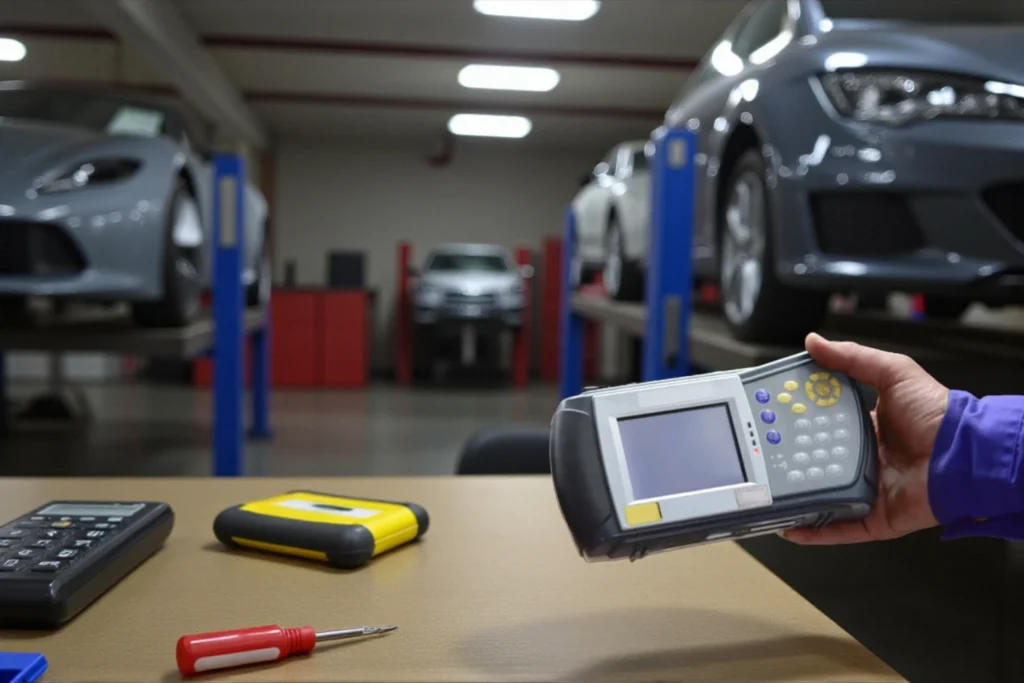
The Hybrid Battery Is Only One Part of the Vehicle
People understandably worry about the high-voltage battery because it can be costly. Battery deterioration is possible, especially as a vehicle ages, but it should be demonstrated with test results rather than assumed from one dashboard light.
If battery data shows an imbalance or loss of usable capacity, we will explain what we found and what repair options make sense for the vehicle. If the battery is operating normally, we keep looking for the actual cause instead of selling a battery the car does not need.
Cooling, Inverter, Electrical, and Engine Problems
A hybrid depends on several systems working together. The inverter and high-voltage components need reliable cooling. The gasoline engine still needs normal maintenance and must run correctly when the hybrid controls call for it. The 12-volt electrical system powers computers and contactors needed to start the vehicle. A fault in any of these areas can affect the entire powertrain.
That is why a useful hybrid inspection is broader than reading battery codes. The repair may involve cleaning a battery cooling path, correcting a wiring problem, servicing a cooling system, repairing the gasoline engine, replacing a failed pump or sensor, or addressing the high-voltage system itself.
Hybrid Vehicles in Tucson Heat
Summer heat matters, but it is not an explanation for every failure. High ambient temperatures reduce the cooling system’s margin and can expose a weak pump, restricted vent, dirty fan, aging battery, or marginal electrical connection. Dust can also restrict battery-airflow passages on vehicles that pull cabin air through a vent near the rear seat.
Keep battery cooling vents uncovered, do not stack cargo against them, and have unusual fan noise or temperature warnings checked. The vehicle’s maintenance schedule still matters more than generic advice, so we use the manufacturer’s requirements and the vehicle’s actual condition as the starting point.
Clear Repair Decisions
After testing, we will tell you what failed, what evidence supports the diagnosis, what needs attention now, and whether anything can reasonably wait. Some hybrid repairs are straightforward. Others depend on parts availability, vehicle age, and the value of the car. You should have that information before deciding how far to proceed.
Related services include engine repair, battery and charging-system diagnosis, oil changes, and fluid service.
Schedule Hybrid Repair in Tucson
If your hybrid has a warning light, reduced power, abnormal fan noise, overheating message, or unexplained loss of fuel economy, let us test it before the problem turns into a parts-replacement experiment. Book an appointment online or call (520) 261-3533.