
Why Does My Car Ride Rough in Tucson? Common Causes and Fixes

Driving in Tucson should not mean feeling every crack, bump, and vibration in the road. If your car rides rough in Tucson, you are not alone. Heat, rough pavement, and daily stop-and-go driving create conditions that wear suspension and steering components faster than in cooler climates. A rough ride is more than an annoyance. It is often an early warning sign that something in the suspension, tires, brakes, or steering system needs attention.

Tucson roads vary from smooth stretches to rough, uneven sections that can create noise, vibration, and instability. If your vehicle does not feel stable or comfortable, the cause is usually related to suspension wear, alignment issues, or tire condition. Catching the problem early helps you avoid expensive repairs later.

Schedule a suspension and ride quality inspection or contact our shop with questions.

Common Causes of a Rough Ride in Tucson

  • Worn shocks or struts
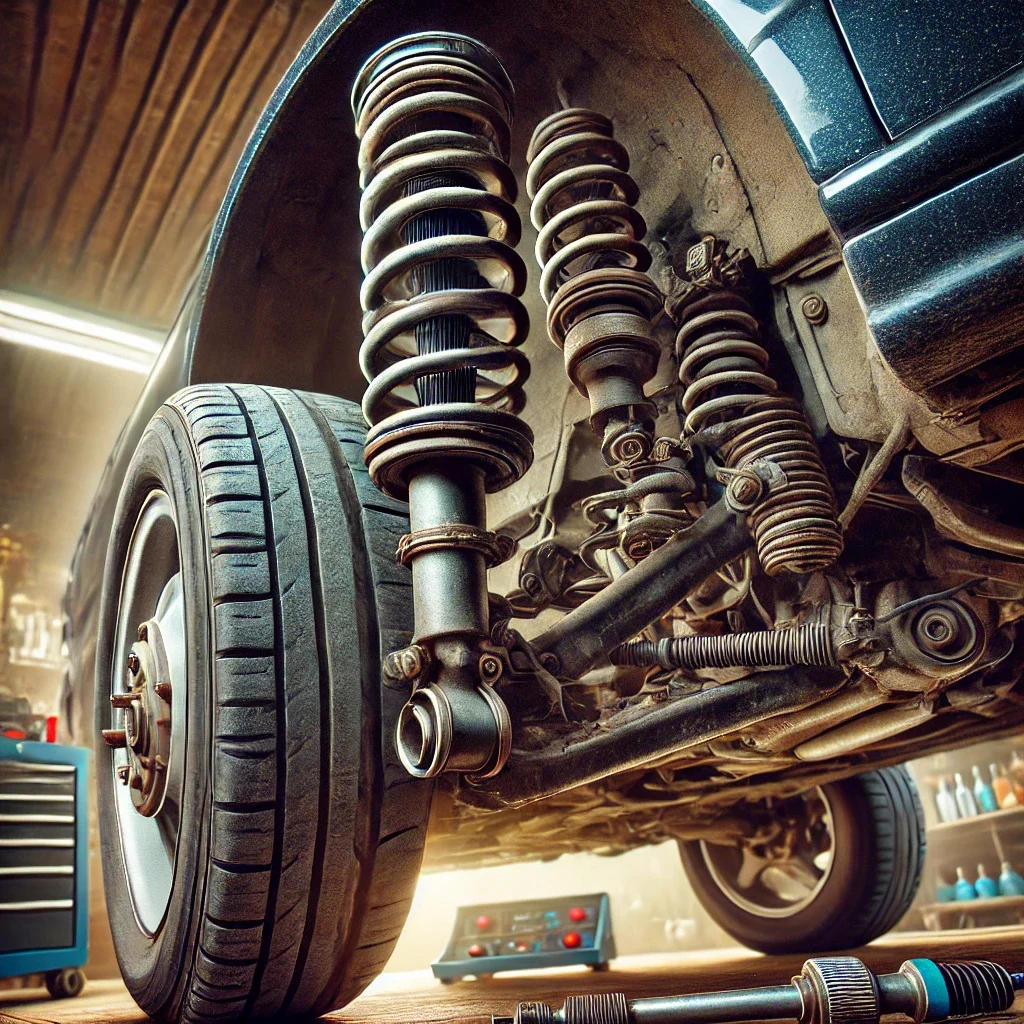
    These parts absorb bumps and keep the vehicle stable. When they wear out, the vehicle bounces more, feels unstable, and transfers impacts directly into the cabin. Learn more about this repair: Shocks and struts repair in Tucson.
  • Uneven tire pressure, worn tires, or tire damage
    Incorrect pressure, uneven wear, cupping, or internal tire damage can cause vibration and harsh ride quality. Tucson heat also increases daily pressure swings and accelerates wear.
  • Worn suspension components
    Bushings, control arms, ball joints, and springs wear faster in high heat and on rough roads. When these components loosen or break down, the vehicle can feel unstable or noisy. See related service info here: Suspension shop in Tucson.
  • Wheel alignment issues
    If the steering pulls, the vehicle drifts, or the tires wear unevenly, alignment may be off. Poor alignment can also worsen vibration and make the ride feel rough. Learn more: Wheel alignment in Tucson.
  • Brake, axle, or mount problems
    Warped brake rotors can cause shaking when braking. Worn engine mounts, CV axles, or drivetrain components can also create vibration that feels like a rough ride. If braking makes vibration worse, schedule a brake inspection.

When a Rough Ride Is Urgent

If any of the following are happening, do not ignore it. These signs can indicate a safety issue:

  • Shaking that increases quickly with speed
  • Vehicle pulls hard to one side
  • Loud clunking or metal-on-metal sounds over bumps
  • Steering feels loose or unpredictable
  • Severe vibration while braking
  • Visible tire bulge, cords showing, or rapid air loss

How to Diagnose a Rough Ride

  1. Check tire pressure and tire condition
    Use a gauge to check all tires when they are cold. Inspect for uneven wear, cracks, bulges, or cupping. If a tire looks damaged or has a bulge, replace it before driving long distances.
  2. Pay attention to when the vibration happens
    Vibration mostly at highway speed often points to tire balance or tire wear. Vibration mostly during braking often points to rotor or brake issues. Vibration during acceleration can point to mounts or axle issues.
  3. Look for obvious suspension warning signs
    Check for leaking shocks or struts, torn bushings, uneven ride height, or unusual tire wear patterns. These are strong indicators that a suspension inspection is needed.
  4. Listen for noise over bumps or during turns
    Clunks, squeaks, rattles, or popping sounds can point to worn bushings, ball joints, sway bar links, or steering components.
  5. Schedule a professional inspection
    Tucson heat and rough roads wear components faster than most drivers expect. A full inspection can identify the actual cause early. Book an inspection.

How Regular Maintenance Prevents a Rough Ride

  • Check tire pressure regularly and rotate tires at each oil change
  • Schedule an alignment once a year or after hitting a pothole or curb
  • Inspect suspension parts yearly due to heat and road wear
  • Shocks and struts commonly wear between 50,000 and 100,000 miles, sometimes sooner in Tucson driving conditions
  • Follow your car maintenance schedule to prevent costly surprises

Why Tucson Conditions Make Ride Quality Worse

Tucson heat causes rubber suspension bushings to crack and stiffen faster. Rough pavement accelerates wear on shocks, struts, and control arm components. High temperatures can also change tire pressure rapidly throughout the day. These factors add up to a noticeable decline in ride comfort long before parts fail outright.

A rough ride left untreated can lead to uneven tire wear, poor braking stability, increased steering effort, and unsafe handling.

Do Not Let a Rough Ride Get Worse

A rough ride is a warning that something is wearing out. Addressing it early saves money and improves safety. Whether the issue is shocks, tires, alignment, brakes, or worn suspension components, our team can diagnose it accurately and explain the best repair options.

Schedule a ride quality inspection in Tucson. If you want to ask questions first, contact our team.

For more information on related repairs, see: Auto repair in Tucson.

Scroll to Top